Inside the world’s deepest and longest subsea road tunnel
Imagine driving 16 miles under the ocean, with only 50 meters of rock between you and the North Sea. That's what Norway's Rogfast tunnel will offer when it opens in 2033. Currently under construction, this 26.7-kilometer highway sits 390 meters below sea level at its deepest point. I visited the site to see how engineers are pulling off this audacious feat.
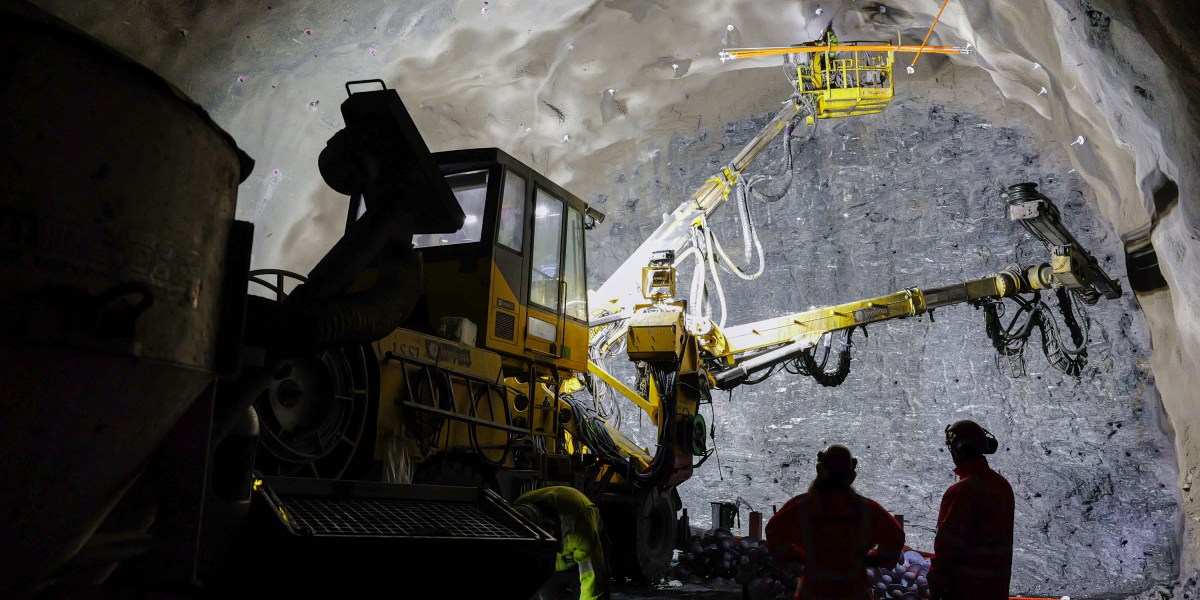
The tunnel is being built using the drill-and-blast method, which involves drilling holes into rock, filling them with explosives, and detonating them. Each blast clears about five to six meters. Workers put in 12-hour shifts in complete darkness, 12 days on and 16 days off. “You have to be a little bit crazy to work underground all the time,” says tunnel foreman Niclas Brusehed.
Norway has built over a thousand kilometers of tunnels in recent decades, largely because its rugged coastline requires many ferry crossings. Rogfast will eliminate two ferry routes and cut travel time between Stavanger and Bergen by 40 minutes. It will feature four lanes of traffic, two undersea roundabouts at 220 meters below sea level, and a constant battle against water.
Subsea tunneling means fighting the ocean's pressure. Before blasting, engineers drill test holes to check for leaks. If water flows too fast, they pump cement-like grout into the rock to seal cracks. “It’s a lot more difficult to stop a leak that’s behind you,” says project leader Ole Magne Rønning. The tunnel will have mini reservoirs to collect and pump out the inevitable trickles.
The project is being built from both ends, with teams using laser scans to ensure the two sections meet with only a few centimeters of deviation. It's scheduled for completion in 2033. For now, it's a dark, noisy, damp world where every blast creates “a new world,” as Brusehed puts it.