World In Brief ยท Junior Edition
July 11, 2026
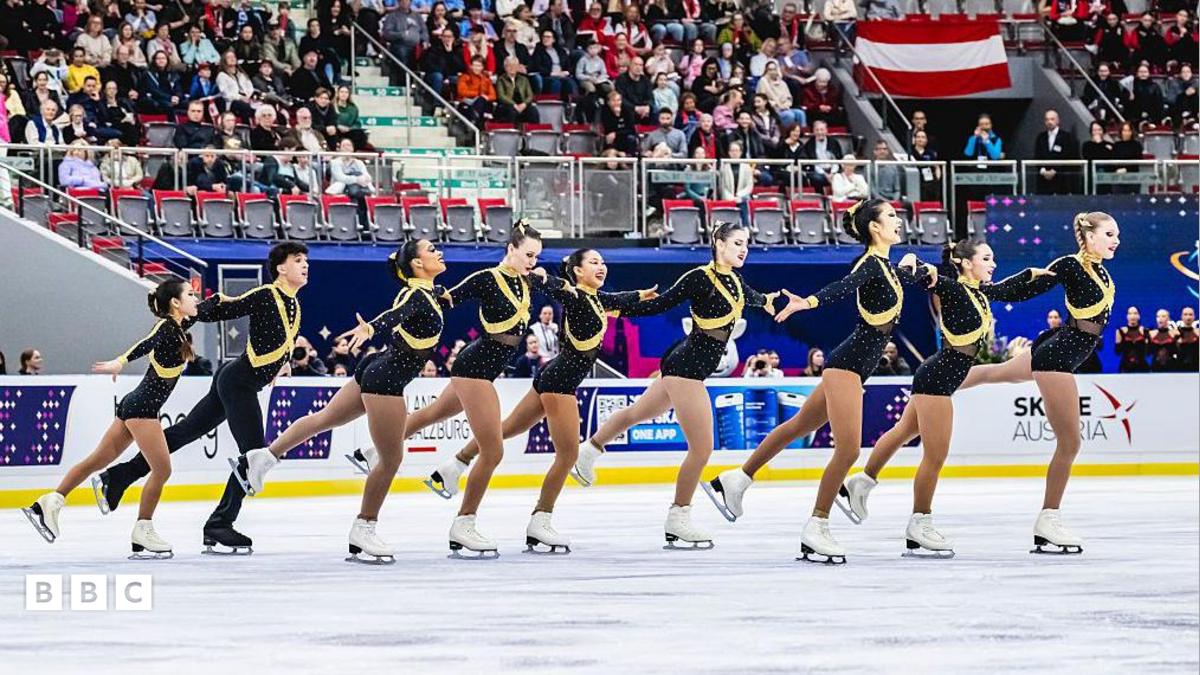
Alpes 2030 Olympics will have synchronised skating and freeride skiing and snowboarding events for the first time but Combined Nordic will not feature.

Winter Olympics 2030: New Sports Like Synchronised Figure Skating

The Winter Olympics in 2030 will have new sports. Freeride skiing and snowboarding will be in the Games for the first time. Synchronised figure skating called Synchro9 will also be new. Ski mountaineering, or 'skimo', was added in 2026 and will stay. The men-only Nordic combined event is removed. The Games will be in the French Alps. For the first time, half of the 3,046 athletes will be women. Freeride skiing has no set course. Athletes choose their own path on untouched snow. They are judged on control and style, not speed. Synchro9 has 9 skaters instead of 16. The routines are shorter and faster. There will be head-to-head battles and themed shows. Ski mountaineering involves racing up and down a course on skis and on foot. Snowboard parallel giant slalom stays, and a mixed team event is added. Nordic combined, which mixes cross-country skiing and ski jumping, is gone.
๐Ÿ“– New Words
  • synchronised โ€” happening at the same time or moving together in a planned way (ๅŒๆญฅ็š„)
  • freeride โ€” a type of skiing or snowboarding with no set path, on natural snow (่‡ช็”ฑๅผๆป‘่กŒ)
  • terrain โ€” the land or ground in an area (ๅœฐๅฝข)
  • debut โ€” the first time something appears or is shown (้ฆ–ๆฌกไบฎ็›ธ)
  • elimination โ€” the act of removing someone from a competition (ๆท˜ๆฑฐ)
Why Pink Cleats Have Taken Over The World Cup has 14 comments.

Why Pink Cleats Have Taken Over The World Cup

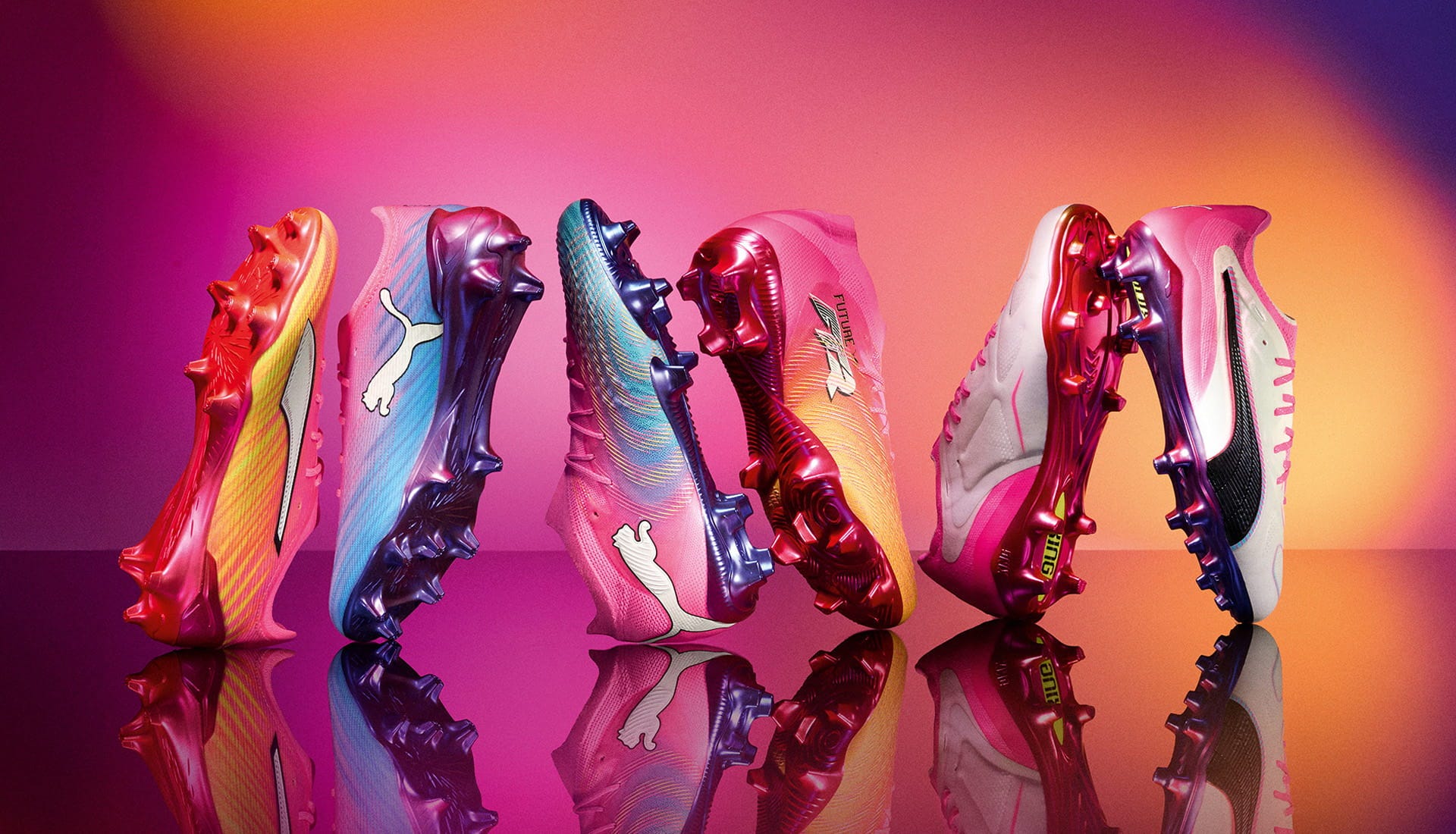
Soccer fans at the 2026 FIFA World Cup see many pink shoes on the field. Players from different countries and brands all wear pink. This is not by chance. Big shoe companies like Nike, Adidas, and Puma planned it. They chose a bright pink called "Electric Fuchsia." This color stands out against green grass. It makes the shoes easy to see on TV and in stadiums. No team wears much pink, so the shoes do not clash with uniforms. Many players think bright colors help them feel confident. They believe flashy shoes mean good play. But there is a problem. In the past, fans could tell players apart by their shoe color. Now, with many pink shoes, fans must look at jersey numbers. That is why Lionel Messi chose to wear different colors.

๐Ÿ“– New Words
  • cleats โ€” shoes with small spikes on the bottom, used for playing sports like soccer (้’‰้ž‹)
  • contrast โ€” a big difference between two things that makes each one stand out (ๅฏนๆฏ”)
  • deliberate โ€” done on purpose, not by accident (ๆ•…ๆ„็š„)
  • visibility โ€” how easy something is to see (ๅฏ่งๆ€ง)
  • confidence โ€” belief in your own ability to do something well (่‡ชไฟก)
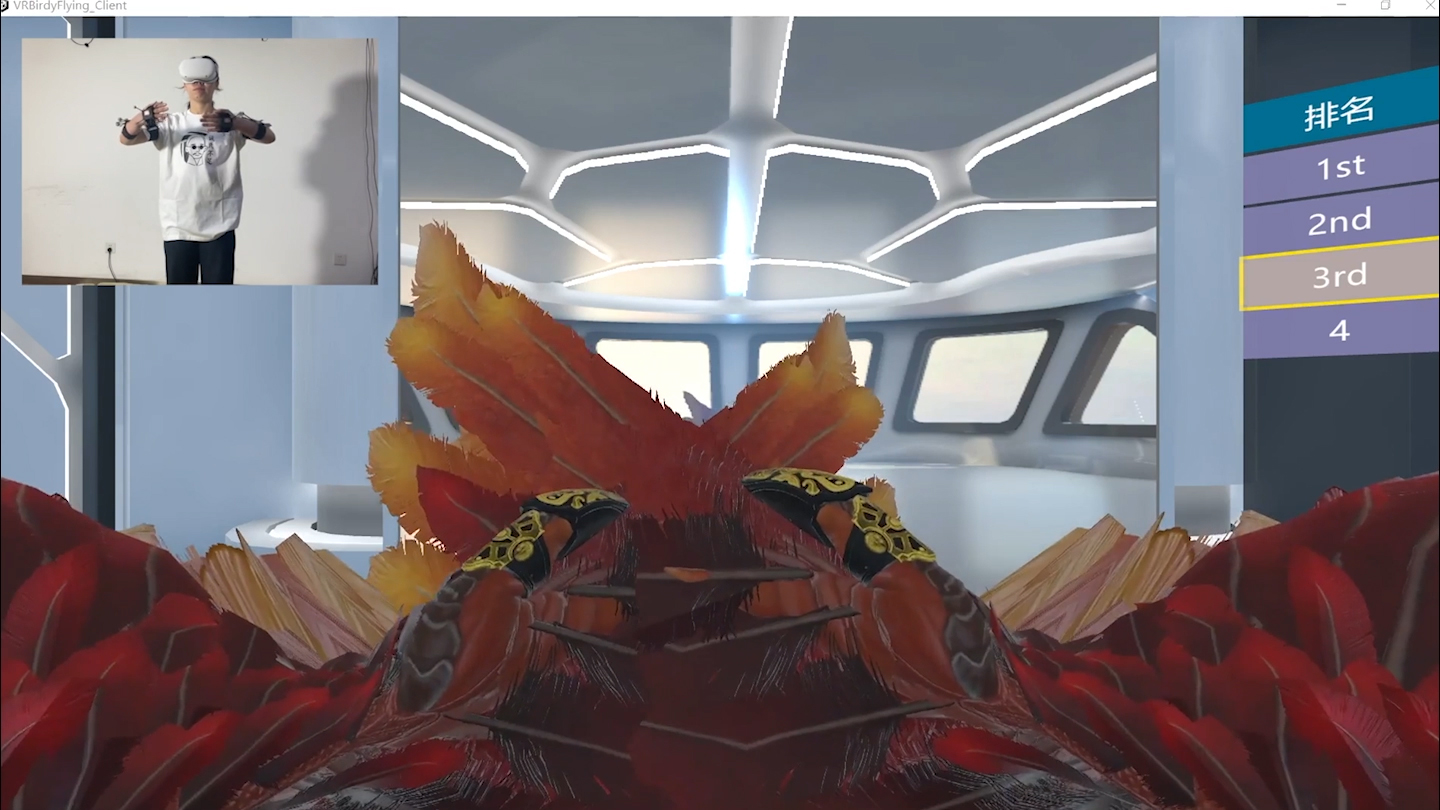
In a new training study, volunteers learned to move wings in virtual reality. Here, neuroscientist and study coauthor Yiyang Cai (top left) uses the system. Real-time visual feedback inside the VR head-mounted display (center) matches her physical motions. Ziyi Xiong/Beijing Normal University and Yiyang Cai/Peking University

VR Can Train the Brain to Treat Wings Like Real Limbs

Scientists used virtual reality (VR) to train people to fly with wings. In a new study, 25 volunteers learned to move virtual wings in VR. They wore special headsets and motion-tracking gear. They saw themselves as birdlike figures with big, rust-colored wings. They flapped their arms to move the wings. They practiced flying away from falling balls. They stayed above cliffs and flew through rings. Some learned on the first try. Others needed a few sessions. After training, brain scans showed changes. Parts of the brain that respond to limbs started to respond to wings. The brain treated the wings almost like real arms. This shows the brain can adapt to new body parts. Scientists say this could help us understand how we experience reality in VR.

๐Ÿ“– New Words
  • virtual reality โ€” a computer-made world that feels real when you wear a special headset (่™šๆ‹Ÿ็Žฐๅฎž)
  • limb โ€” an arm or leg of a body (่‚ขไฝ“)
  • neuroscientist โ€” a scientist who studies the brain and nervous system (็ฅž็ป็ง‘ๅญฆๅฎถ)
  • adapt โ€” to change in order to fit a new situation (้€‚ๅบ”)
  • visual cortex โ€” the part of the brain that processes what you see (่ง†่ง‰็šฎๅฑ‚)