World In Brief ยท Junior Edition
August 6, 2026
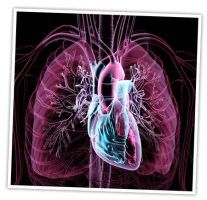
Join us here at National Geographic Kids to discover fifteen fascinating facts about the human body. Check out cool human body photos, too!

15 Facts About The Human Body!

Here are 15 cool facts about the human body. Your mouth makes about one litre of saliva every day. Your brain can be more active when you sleep than when you are awake. If you laid an adult's blood vessels end to end, they could go around Earth four times. The word "muscle" comes from Latin. It means "little mouse." Romans thought flexed muscles looked like mice. Your body gives off a tiny light. It is too weak for your eyes to see. The average person has 67 kinds of bacteria in their belly button. You lose about 4 kilograms of skin cells every year. Babies do not cry tears until they are about one month old. Messages travel along nerves at about 400 kilometres per hour. The human heart beats more than three billion times in a lifetime. Your left lung is about 10 percent smaller than your right lung. Human teeth are as strong as shark teeth. Scientists think your nose can smell a trillion different scents. Humans are the only animals that blush. Your blood is about eight percent of your body weight.

๐Ÿ“– New Words
  • saliva โ€” the liquid in your mouth that helps you chew and swallow (ๅ”พๆถฒ)
  • bacteria โ€” tiny living things, some can cause sickness (็ป†่Œ)
  • nerves โ€” thin parts of the body that carry messages to and from the brain (็ฅž็ป)
  • blush โ€” to become red in the face because you feel shy or embarrassed (่„ธ็บข)
  • scents โ€” smells (ๆฐ”ๅ‘ณ)
Josh Kerr Sets New World Record For The Fastest Mile has 7 comments.

Josh Kerr Sets New World Record for the Fastest Mile

On July 18, 2026, Josh Kerr broke the men's mile world record. It happened at the London Diamond League. He ran the mile in 3 minutes and 42.66 seconds. The old record was 3 minutes and 43.13 seconds. Morocco's Hicham El Guerrouj set that record in 1999.

Josh is from Scotland. He is 28 years old. In March 2026, he said he would try to break the record. He called his plan "Project 222." He needed to run the mile in 222 seconds.

To get ready, Josh trained high in the mountains. He practiced in Albuquerque, New Mexico. He also turned his bedroom into a special room. It felt like sleeping 8,200 feet high. This helps athletes get stronger.

On race day, 60,000 fans came to watch. Two runners helped him run fast at the start. They left the race later. Josh ran the last lap very fast. He finished first and broke the record.

Josh is a famous middle-distance runner. He won a world championship and an Olympic silver medal. He now joins Roger Bannister, a British runner. Bannister was the first person to break the four-minute mile in 1954.

After the race, Josh said he felt overwhelmed. He said many things could go wrong. But he has great people around him. He stayed consistent and did the work.

๐Ÿ“– New Words
  • shattered โ€” broke something suddenly into many pieces (ๆ‰“็ ด)
  • endurance โ€” the ability to keep going for a long time (่€ๅŠ›)
  • altitude โ€” the height of a place above sea level (ๆตทๆ‹”)
  • sprinted โ€” ran very fast for a short distance (ๅ†ฒๅˆบ)
  • overwhelming โ€” a very strong feeling that is hard to handle (ไปคไบบไธ็Ÿฅๆ‰€ๆŽช็š„)

Should we cycle more?

Cycling is good for you. It helps your heart and muscles. It also keeps the air clean. Cars make pollution. Bikes do not. Now a new scheme wants more people to ride bikes. A scheme is a plan. The plan gives safe bike lanes. It also offers bike sharing. Neil and Becca talk about this. They ask: should we cycle more? Many people say yes. Cycling is fun and healthy. It is also better for the planet.

๐Ÿ“– New Words
  • scheme โ€” a plan or program to help people (่ฎกๅˆ’๏ผ›ๆ–นๆกˆ)
  • benefits โ€” good things that help you (ๅฅฝๅค„๏ผ›็›Šๅค„)
  • pollution โ€” dirt or harmful things in the air, water, or land (ๆฑกๆŸ“)
  • lanes โ€” special paths or parts of a road for certain vehicles (่ฝฆ้“๏ผ›่‡ช่กŒ่ฝฆ้“)
  • healthy โ€” good for your body and mind (ๅฅๅบท็š„)