Trump Wants To Lower Beef Prices, But Ranchers Are Pushing Back
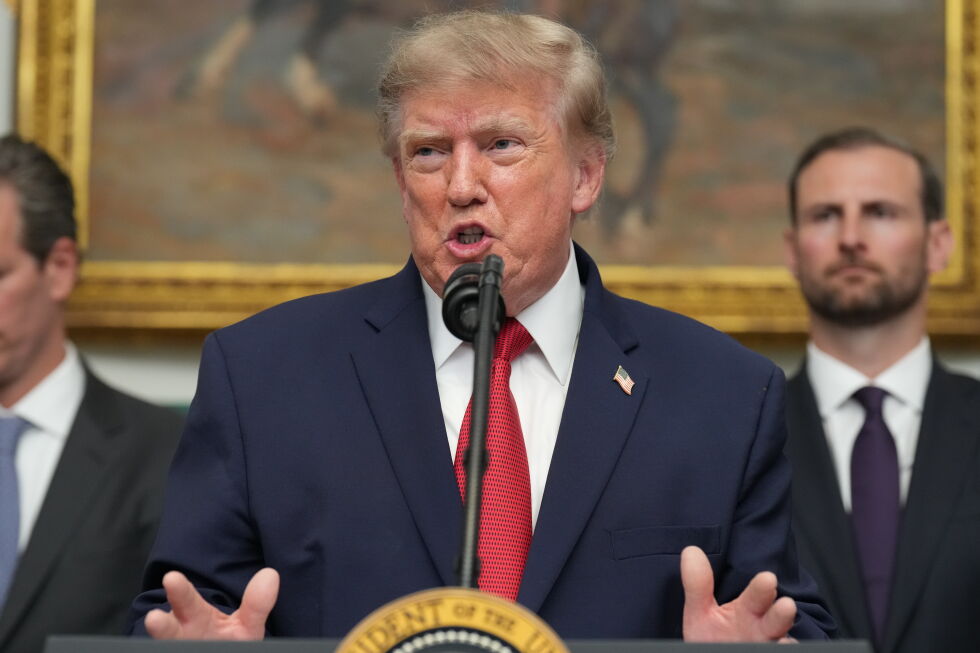
President Donald Trump says he has a plan to bring down record-high beef prices: let more foreign beef into the U.S. temporarily without triggering extra tariffs. The idea may sound simple, but it has already sparked backlash from cattle ranchers and some Republicans who normally support him.
Here's the problem beef prices are facing: the number of U.S. cattle has dropped to its lowest in decades, demand from consumers stays steady, and imports from Mexico have been limited because of a flesh-eating pest affecting cattle there. On top of that, Trump has placed 50% tariffs on Brazil, a major beef exporter. All of that has pushed beef prices to record highs.
With midterm elections approaching in November, Trump is under pressure to show he's doing something about affordability. But ranchers — many of whom are among his biggest supporters — have been enjoying some rare profitable years. They worry that flooding the market with cheap imported beef could drive cattle prices down, and remove the incentive to rebuild the U.S. herd.
"We all want lower grocery prices, but as I've said for months, we cannot do it at the expense of American producers," said Sen. Deb Fischer, a Republican from Nebraska. "Flooding the market with foreign beef hurts our livestock industry and undermines the long-term solution: growing the U.S. cattle herd to meet demand."
Trump responded to criticism Friday evening: "I love the ranchers; they've done a fantastic job. But they admit that we need a little help, and, in order to get the prices down, so that's what we're doing."
Other Republican senators also pushed back. Sen. Tim Sheehy of Montana said the president's "heart is in the right place," but importing beef will "harm our ranching families who feed the nation." Sen. Pete Ricketts of Nebraska said that while he appreciates the focus on grocery prices, "short term policy shifts do not equal long term solutions."
Here's what Trump's plan actually calls for: up to 300,000 metric tons of ground beef to be imported over the next 90 days without triggering an "out of quota" tariff — a tax that kicks in once a certain amount of a product enters the country. The president said the imported beef would be sold at 25% below current market rates. He didn't name the countries involved, but said "there are a few" and they will send the "highest quality beef." A White House official said the beef in question is lean beef trimmings used for ground beef production, and Trump plans to sign an executive order formalizing the directive within two weeks.
Industry leaders are not convinced. "You don't put America first by putting U.S. cattle producers last," said Justin Tupper, president of the U.S. Cattlemen's Association. Colin Woodall, CEO of the National Cattlemen's Beef Association, said the announcement sacrifices "long-term stability for short term messaging."
Some experts also doubt the plan would even work. Glynn Tonsor, a professor at Kansas State University who studies the cattle and beef industry, said 300,000 metric tons is only about 3% of what Americans eat in a year, so the effect on prices would likely be small. David Anderson, a professor of agricultural economics at Texas A&M University, questioned whether other countries could redirect so much beef to the U.S. in such a short time. "Is that even achievable?" he asked.
Bill Bullard, CEO of R-CALF USA, which represents independent cattle producers, warned that imports could make the bigger problem worse. "Imports have been a major contributor to the decline in the U.S. cattle inventory," he said. "Using more imports today will exacerbate that decline and will prevent herd expansion."
So the debate comes down to a tough trade-off: cheaper burgers at the grocery store now, or a stronger U.S. cattle industry later? Trump's plan tries to do both, but ranchers and experts are saying it may not be that simple.