World In Brief · Junior Edition
October 10, 2026
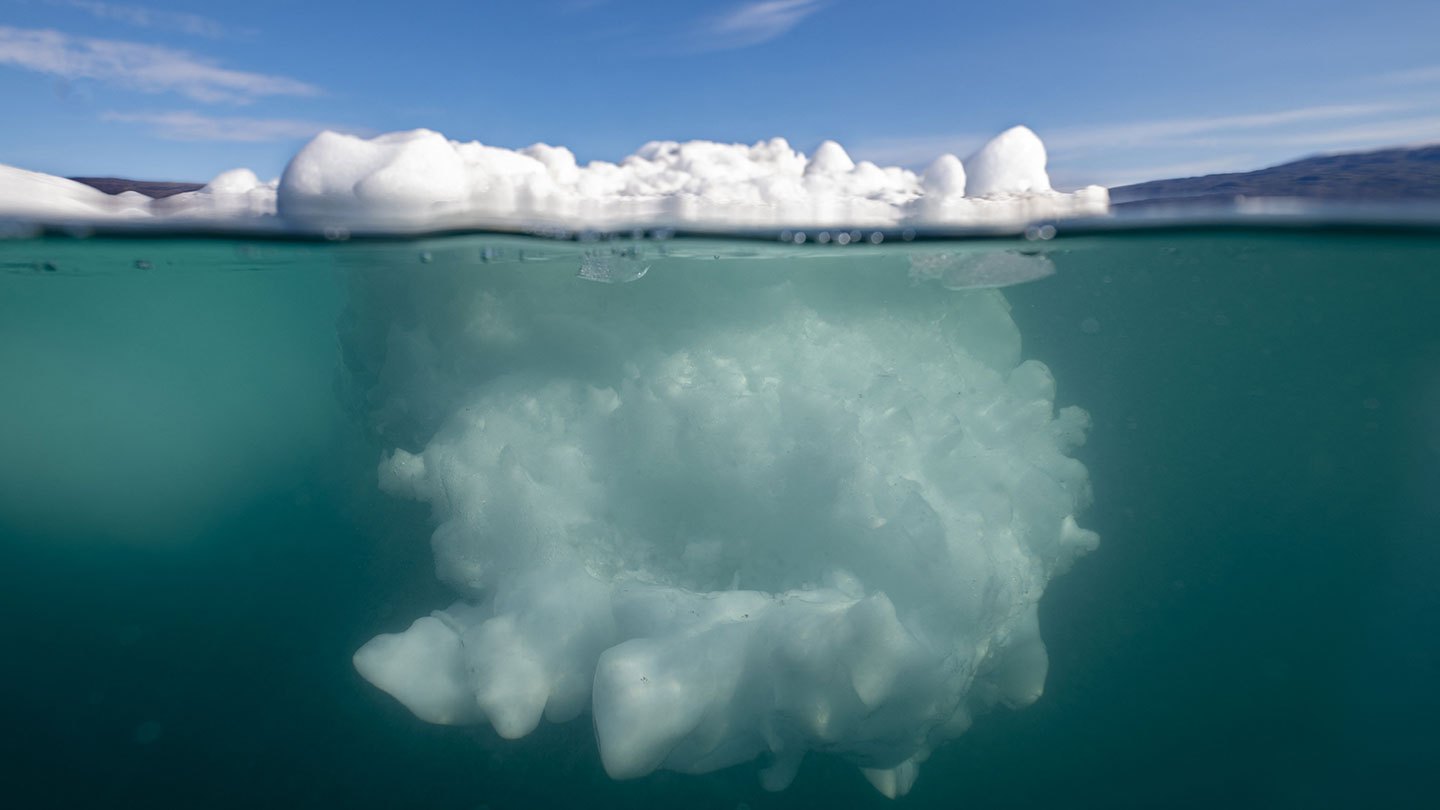
One part of the Atlantic Ocean just south of Greenland and Iceland has gotten colder, even as the rest of Earth's oceans have warmed. It may be linked to a major ocean current shutting down. OLIVIER MORIN/AFP VIA GETTY IMAGES

A Cold Spot in the Ocean: What It Means

Earth's oceans are getting warmer. But one small area in the North Atlantic Ocean has become colder. This spot is just south of Greenland and Iceland. It has cooled by about 1 degree Celsius (1.8 degrees Fahrenheit) since the 1800s. Scientists call it a 'cold blob.' They think it may be a sign that a big ocean current is slowing down. This current is called the Atlantic Meridional Overturning Circulation, or AMOC. It carries heat from the tropics north toward Europe. It affects weather in Europe and North Africa. If the AMOC slows, Europe could get more extreme temperatures. It could also get less rain, which is bad for farming. Scientists studied data from 1870 to today. They found that less heat is leaving the ocean at the cold blob. The water is cooling even though less heat is going into the air. This means the AMOC is bringing less heat to the area. The study was published in Geophysical Research Letters. One scientist, Stefan Rahmstorf, says the AMOC may be close to shutting down. He used to think this was unlikely. Now he thinks it is more likely. This is a warning sign for the planet.
📖 New Words
  • current — a flow of water or air that moves in one direction (洋流)
  • circulation — the movement of something in a circle or through a system (循环)
  • atmosphere — the layer of gases around Earth (大气层)
  • precipitation — water that falls from the sky, like rain or snow (降水)
  • oceanographer — a scientist who studies the ocean (海洋学家)
Ancient "Shark Graveyard" Discovered In Egyptian Desert has 48 comments.

Old Shark Teeth Found in Egypt's Desert

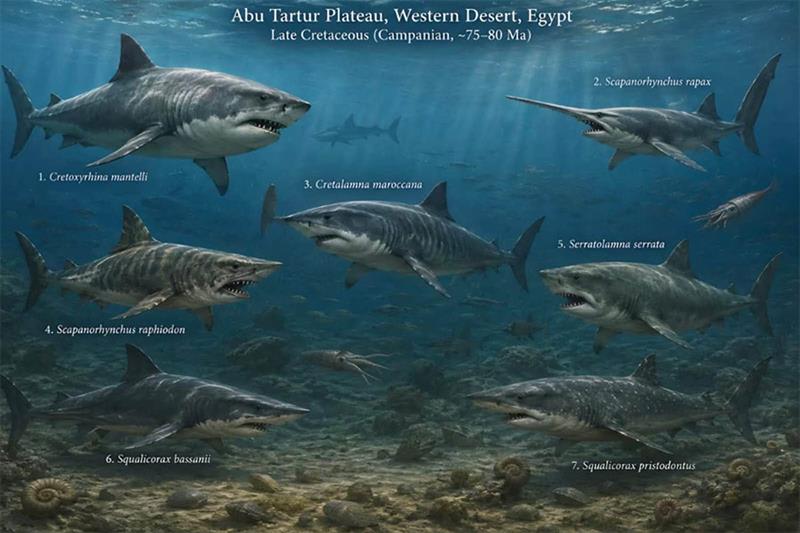
Scientists found an old "shark graveyard" in Egypt's Western Desert. A team from Cairo University led the discovery. Dr. Tarek Yassin was the leader. They shared the news on August 18, 2026. The area is dry now. But long ago, it was a warm, shallow sea. Sharks and other sea animals lived there. The team went to the desert between 2020 and 2022. They dug in dark rocks. They found 14 shark teeth. The teeth are 70 to 80 million years old. The teeth had different shapes. Some were thin and needle-like. These helped grab slippery food. Others were wide with sharp edges. These helped cut food. The teeth came from five shark species. Two of these species were new to Egypt. One was like today's goblin shark. It may be the first found in Africa. It may also be the youngest of its kind. The team also found an extinct crow shark. Earlier, two other shark species were found there. The sharks did not die all at once. Over millions of years, sharks lost teeth. The teeth fell to the seafloor. They got buried in sand and mud. Over time, the mud turned to rock. The teeth were kept safe inside. The sharks may not have lived at the same time. Dr. Yassin said the find is very important. It shows there were many more kinds of sea life than we knew. He hopes to find more in the future.

📖 New Words
  • paleontologists — scientists who study ancient life through fossils (古生物学家)
  • fossilized — turned into a fossil or rock over a very long time (变成化石的)
  • sediment — sand, mud, or other material that settles at the bottom of water (沉积物)
  • species — a group of living things that are the same kind (物种)
  • extinct — no longer living on Earth (灭绝的)
A Massive Kelvin Wave Is Heading Toward California has 12 comments.

A Huge Warm Water Wave Is Coming to California

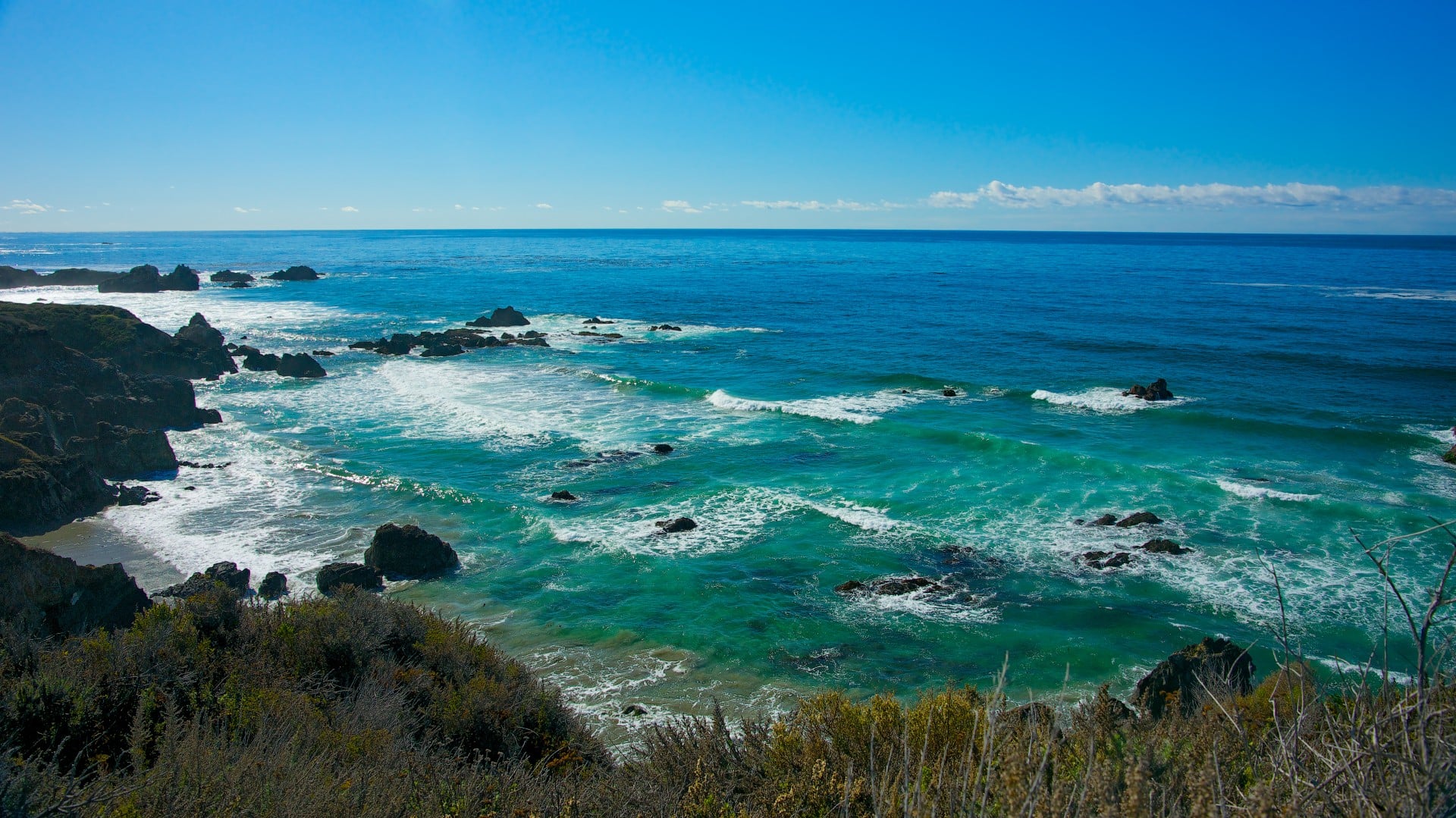
A big wave of warm water is moving toward California. It is called a Kelvin wave. It should arrive around the middle of October. The wave is slow and wide. It may make the sea level rise by 6 to 12 inches (15 to 30 cm) for a short time. If high tides, big waves, or storms happen at the same time, the water could flood the coast. It could also wash away sand and land.

What is a Kelvin wave?

Kelvin waves are not like the waves you see at the beach. Beach waves are small and crash quickly. Kelvin waves are huge and slow. They move deep under the ocean. One Kelvin wave can stretch across a large part of the Pacific Ocean. As it passes, it makes the sea level go up for a while.

Where did this wave come from?

The Kelvin wave started near the equator in the western Pacific Ocean. That is thousands of miles away. Winds pushed a large amount of warm water east toward South America. When the water hit the coast of South America, it split. One part went south. The other part went north along the coasts of Central and North America. That northern part is now heading toward California.

El Niño and Kelvin waves

El Niño is a climate pattern. It makes the tropical Pacific Ocean warmer than usual. Strong El Niño events often create Kelvin waves that carry warm water toward the Americas. During the big El Niño of 2015-2016, scientists tracked many Kelvin waves. That event caused very powerful waves on the US West Coast. It also caused record erosion on many California beaches. Scientists will watch this new wave closely. They want to see how it changes sea levels along the coast.

New Words

Kelvin wave — A large, slow-moving pulse of warm water that travels deep under the ocean. — 开尔文波

Equator — An imaginary line around the middle of the Earth. — 赤道

El Niño — A climate pattern that warms the tropical Pacific Ocean. — 厄尔尼诺

Erosion — When soil or sand is worn away by water or wind. — 侵蚀

Sea level — The height of the ocean's surface. — 海平面

📖 New Words
  • Kelvin wave — A large, slow-moving pulse of warm water that travels deep under the ocean. (开尔文波)
  • Equator — An imaginary line around the middle of the Earth. (赤道)
  • El Niño — A climate pattern that warms the tropical Pacific Ocean. (厄尔尼诺)
  • Erosion — When soil or sand is worn away by water or wind. (侵蚀)
  • Sea level — The height of the ocean's surface. (海平面)